The Overlooked Reason Everyday Aches Keep Coming Back
Have you been waiting for acupuncture to fit into modern care? They often begin asking a different question: why are so many people waiting for those nagging aches to disappear on their own? Many people do, only to discover weeks or even months later that the problem is still there. Acupuncture is often overlooked because many assume it is only for severe conditions, yet it has become part of many physiotherapy plans for ongoing discomfort. Before dismissing it, consider a few facts that may alter your perspective.
Many aches develop slowly. A stiff neck after work, sore shoulders after driving, or a back that feels tight every morning can seem harmless at first. Over time, however, these small issues may begin affecting work, hobbies, sleep, and everyday movement. That's why it's worth looking at what many people are discovering before their symptoms become harder to manage.
Why More People Are Turning to Acupuncture
The growing interest in Acupuncture is not happening by accident. More people are searching for ways to manage ongoing aches alongside physiotherapy rather than relying on temporary solutions alone.
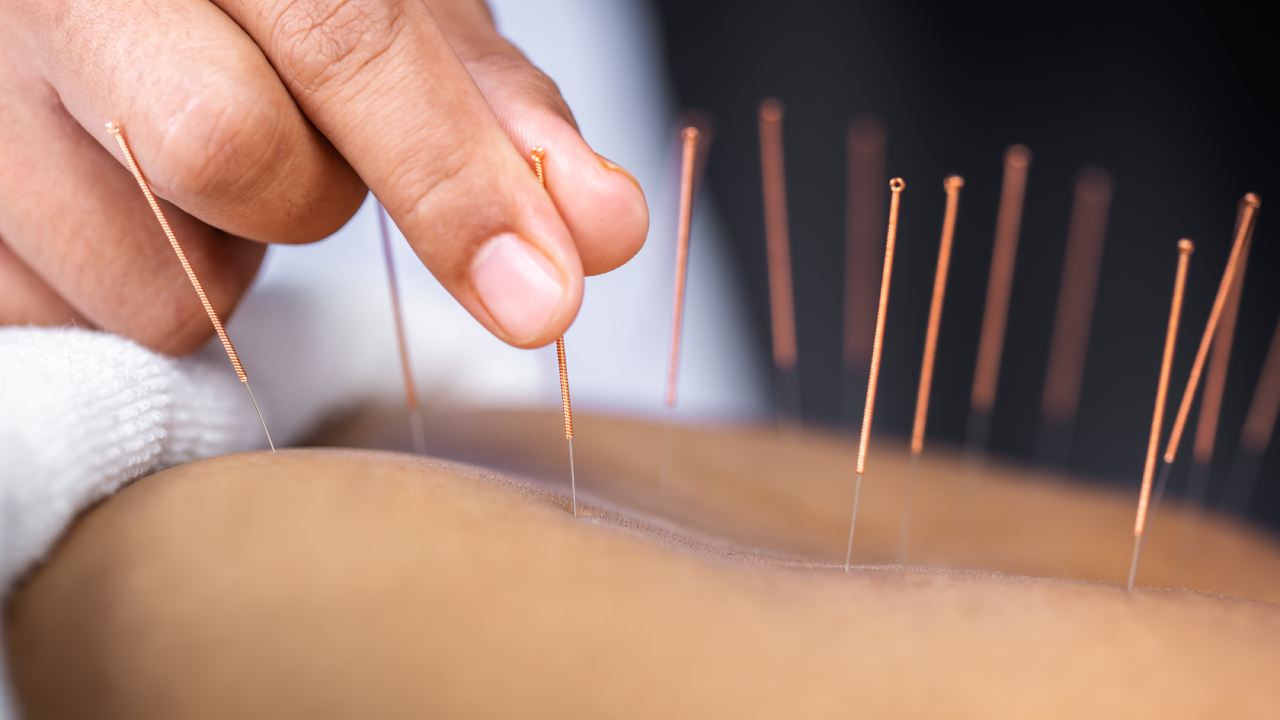
This approach involves placing very thin needles into carefully selected points on the body. It is commonly used alongside physiotherapy to encourage natural body responses while supporting movement and function.
One reason misconceptions continue is that many people think it belongs only to traditional practices. In reality, many physiotherapy clinics include Acupuncture as one part of a broader treatment plan based on an individual's condition, goals, and assessment.
Once people understand how it fits into modern care, they often begin asking a different questionwhy are so many choosing it?
Here are five reasons why people choose acupuncture to address ongoing aches.
Your Daily Routine May Be Making Things Worse Without You Realizing It
Long hours at a computer, repeated lifting, and poor posture often place stress on muscles and joints.
Many people blame aging or assume soreness is simply part of life. As a result, they delay seeking care until movement becomes more difficult.
Acupuncture may be included within physiotherapy to support recovery while addressing the factors contributing to ongoing discomfort.
Yet daily habits are only one part of the story.
Small Aches Have a Habit of Growing Into Bigger Problems
A slight shoulder ache today may become restricted movement tomorrow.
People frequently ignore recurring symptoms because they disappear for a while before returning again.
When included within a physiotherapy program, Acupuncture may help support the body's response while exercises and movement strategies target the underlying issue.
Another overlooked reason surprises many people.
Stress Doesn't Stay in Your Mind
Stress often shows up physically through muscle tension, headaches, neck stiffness, or jaw tightness.
Many focus only on emotional stress without noticing how much tension their bodies are carrying every day.
Acupuncture is sometimes used alongside physiotherapy to help address physical tension while restoring movement.
But there is another reason many people continue searching for answers.
Recovery Can Slow Down Without the Right Support
Whether discomfort comes from sports, repetitive work, or everyday activities, recovery sometimes takes longer than expected.
People often stop being active because movement feels uncomfortable, creating a cycle that becomes harder to break.
Adding Acupuncture to physiotherapy may support recovery while encouraging people to return to daily activities more comfortably.
One final reason often surprises even those who have tried several options.
Every Person's Condition Is Different
Two people can have similar symptoms but very different causes.
Following advice from friends or searching random online tips may not address the real reason discomfort continues.
When Acupuncture is selected as part of physiotherapy, it is based on a clinical assessment rather than guesswork, helping ensure the treatment matches the condition being addressed.
Warning Signs You Shouldn't Ignore
Certain symptoms warrant prompt attention. Watch for signs such as:
- Persistent discomfort that continues for several weeks without noticeable improvement.
- Limited movement that makes reaching, bending, or turning more difficult than before.
- Muscle tightness that returns regularly despite stretching.
- Recurring aches that disappear briefly but keep coming back.
- Trouble performing everyday activities like carrying groceries, climbing stairs, or sitting comfortably.
- Symptoms returning repeatedly after physical activity, work, or exercise.
Ignoring these signs may allow the problem to interfere with more parts of daily life over time.
Common Myths That Keep People From Trying Acupuncture
"It's only for severe pain."
Many people think Acupuncture is reserved for major conditions. In reality, it is often considered for ongoing aches before symptoms become more limiting.
"It only works for athletes."
Athletes may use it, but office workers, parents, students, retirees, and people with physically demanding jobs also explore this option.
"It's unsafe."
When performed by qualified healthcare professionals using proper procedures and sterile single-use needles, it is widely regarded as safe for many individuals.
"It hurts too much."
The needles are much thinner than many people expect. Many describe the sensation as mild or barely noticeable.
"Results happen instantly."
Some people notice changes quickly, while others require multiple visits depending on their condition, health history, and treatment plan.
These myths continue because many people rely on second-hand stories rather than accurate information.
Why People in Brampton Search for Acupuncture
Life in Brampton keeps many people moving from morning until night.
Office workers often spend hours sitting at desks before facing long commutes home. Others work in warehouses, construction, healthcare, manufacturing, or other physically demanding jobs where repetitive movement places stress on the body.
Sports and fitness are also popular throughout Brampton. Running, gym workouts, recreational leagues, and weekend activities sometimes lead to soreness that doesn't disappear as expected.
Even everyday tasks like gardening, carrying children, home renovations, or household chores can gradually contribute to ongoing aches.
These daily demands explain why many residents begin searching for Acupuncture when discomfort starts interfering with normal routines.
Frequently Asked Questions
What conditions can Acupuncture help with?
It is commonly included within physiotherapy for ongoing muscle and joint discomfort, neck pain, back pain, shoulder concerns, headaches, and other movement-related conditions following an assessment.
Does Acupuncture hurt?
Most people report little discomfort because the needles are extremely thin.
How many sessions might I need?
The number of visits depends on your symptoms, overall health, and how long the issue has been present.
Is Acupuncture safe?
When provided by trained healthcare professionals using appropriate procedures, it is considered safe for many individuals.
Can Acupuncture be combined with physiotherapy?
Yes. It is frequently incorporated into physiotherapy alongside exercise, manual therapy, education, and movement strategies.
Do I need a referral?
Often, a referral is not required, though it's always worth checking with your insurance provider if you plan to use extended health coverage.
Don't Wait Until Everyday Activities Become Difficult
Ignoring ongoing aches rarely makes everyday life easier. When stiffness, recurring discomfort, or restricted movement begins affecting work, family time, hobbies, or exercise, taking action sooner may help prevent further limitations.
If you're looking into Acupuncture in Brampton, visit Cure Physio & Wellness at 239 Queen St E Unit 21 B, Brampton, ON L6W 2B6, Canada. Call (647) 694-9076 today to schedule an assessment and find out which physiotherapy approach fits your needs.