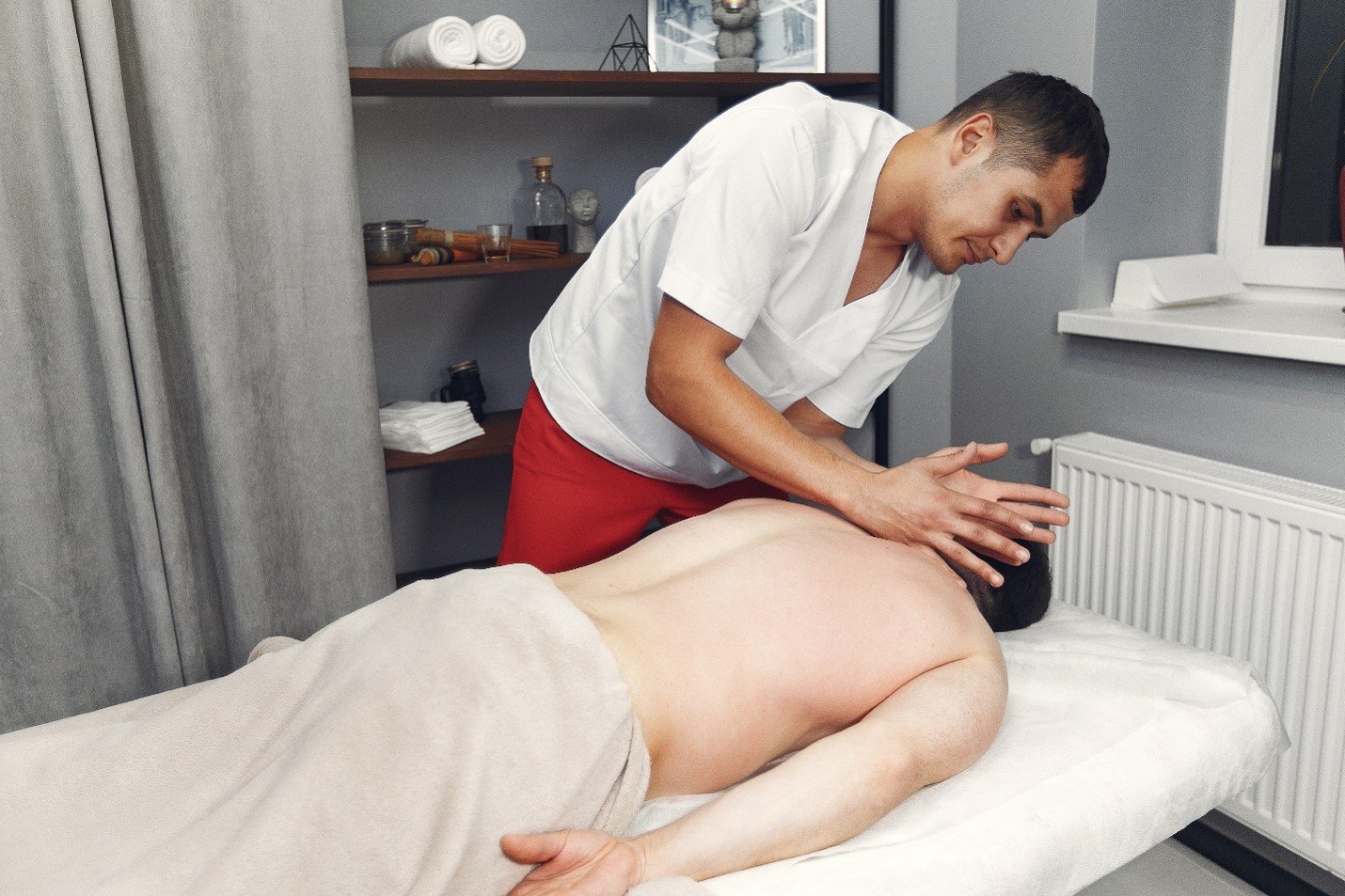
A woman walked into a clinic last month convinced she needed a deep tissue massage for her shoulder pain. Twenty minutes into her assessment, her therapist explained that what she actually needed was something gentler, paired with stretching and some at-home exercises. She'd never even heard the term "RMT massage" before that day. Turns out, a lot of people mix these two up, and it costs them time, money, and sometimes makes their pain worse instead of better.
If you've searched for massage therapy Brampton clinics and landed on terms like RMT and deep tissue without knowing which one applies to you, this blog is going to clear that up. No jargon, no fluff. Just the real differences, when each one makes sense, and how to pick the right option for your body.
What Does RMT Actually Mean?
RMT stands for Registered Massage Therapist. It's a legal designation, not a marketing term. In Ontario, an RMT has completed a recognized massage therapy program, passed board exams, and is registered with the College of Massage Therapists of Ontario. That's the part most people skip past, but it matters a lot.
Here's why it matters. A registered massage therapist Brampton clinics rely on isn't just trained to rub sore muscles. They're trained to assess your posture, your range of motion, your medical history, and any red flags that might mean massage isn't the right call at all. Sometimes that means referring you to a physiotherapist or a doctor instead.
RMT treatment can include a wide range of techniques. Swedish massage, myofascial release, trigger point therapy, and yes, deep tissue works too. That's the part that confuses people. Deep tissue isn't a separate profession. It's one tool in an RMT's toolbox.
What Is Deep Tissue Massage, Then?
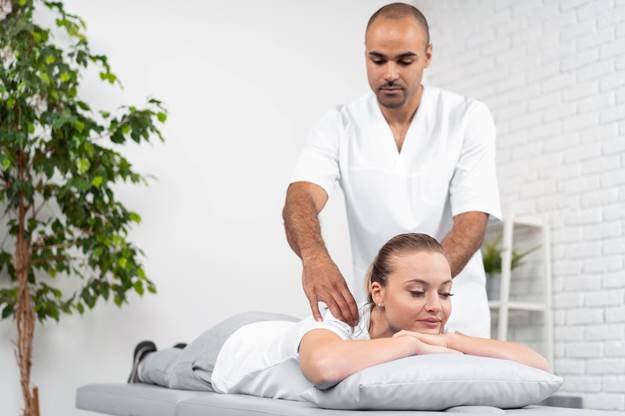
Deep tissue massage is a technique. It focuses on the deeper layers of muscle and connective tissue, using slower strokes and firmer pressure than a relaxation massage. The goal is to break up adhesions, ease chronic tension, and improve mobility in areas that have been tight for a long time.
Think of someone who sits at a desk eight hours a day and has knots in their upper back that just won't quit. Or an athlete who trains hard and needs deeper work to recover between sessions. Deep tissue is built for that kind of stubborn, layered tension.
The pressure is firmer, sometimes uncomfortable, but it shouldn't feel like torture. A good therapist checks in constantly and adjusts based on your feedback.
RMT Massage vs Deep Tissue: The Real Comparison
This is where the confusion clears up fastest once you see it side by side.
RMT massage is the umbrella. Deep tissue is one technique under that umbrella.
An RMT can perform:
- Relaxation and Swedish massage for stress relief and circulation
- Deep tissue massage for chronic tension and muscle adhesions
- Myofascial release for connective tissue restrictions
- Trigger point therapy for specific pain points
- Prenatal massage adjusted for pregnancy-safe positioning
So when someone books an "RMT massage," they're not choosing a specific pressure level. They're choosing a licensed professional who will figure out what technique fits their body that day. Deep tissue might be part of the plan. It might not be.
A study published in the Journal of Alternative and Complementary Medicine found that structured massage therapy, when applied by a trained practitioner, reduced chronic lower back pain intensity significantly more than general self-care advice alone. That's not a small thing. It backs up what clinics see every week, that trained assessment matters just as much as the technique itself.
When Should You Choose Deep Tissue?
Deep tissue makes sense when:
- You've had ongoing muscle tightness for weeks or months, not days
- You're recovering from intense physical training or manual labor
- A previous lighter massage didn't touch the source of your tension
- Your therapist has already assessed you and recommends firmer pressure
It's not usually the right starting point for acute injuries, inflammation, or anyone with certain medical conditions like blood clotting issues. This is exactly why the assessment part ofRMT massage Brampton visits is not optional fluff.
When Should You Choose a Lighter RMT Session?
Not every problem needs firm pressure. Stress, tension headaches, poor sleep, mild circulation issues, these often respond better to gentler techniques. Pregnant clients, older adults, and people with sensitive skin or nerve conditions usually need modified pressure too.
A common mistake is assuming harder pressure equals better results. Muscles that are pushed too hard too fast can tighten up defensively, which sometimes makes pain worse the next day. Therapists call this guarding, and it's one reason a proper intake conversation before the massage starts actually changes the outcome.
What Actually Happens During a Session
Most people picture a massage as lying on a table while someone works on sore spots for an hour. That's part of it, but a real RMT session usually starts with a short conversation. What's bothering you, how long has it been going on, any injuries or surgeries, any areas to avoid.
From there, the therapist builds a plan on the spot. That might shift halfway through the session if they find tension somewhere unexpected, like a tight hip flexor causing lower back pain that has nothing to do with the back itself. This is the part that separates a trained RMT from a generic spa massage. It's problem solving, not just pressure.
A Quick Word on Combining Treatments
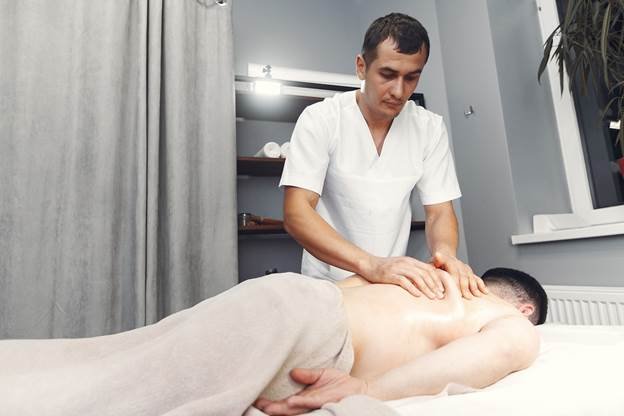
Some clinics pair massage therapy with physiotherapy or chiropractic care, especially for injuries like whiplash, sports strains, or chronic postural pain. The massage loosens tight tissue, and the physio or chiro work addresses alignment and movement patterns. Neither one alone always gets the full job done, particularly for injuries that built up over months or years.
This kind of layered approach tends to get better long-term results than relying on one treatment type repeatedly without reassessment.
Choosing the Right Fit for Your Body
There's no universal answer here. Someone dealing with three years of tight shoulders from a desk job needs a different plan than someone getting a monthly massage just to unwind. The honest answer is that a proper assessment beats guessing every time. If a clinic skips straight to deep tissue without asking about your history, that's a red flag, not a bonus.
Conclusion
RMT massage and deep tissue massage aren't rivals. One is a licensed profession built on assessment and technique variety. The other is a specific method within that profession, useful for chronic tension but not the answer for every situation. Knowing the difference means you'll ask better questions before booking, and you'll get treatment that actually matches what your body needs instead of guessing your way through it.
If you're weighing your options and want a proper assessment before deciding between the two, Cure Physio & Wellness in Brampton can walk you through what fits your situation best.
FAQs
Is deep tissue massage the same as RMT massage?
No. RMT massage refers to treatment provided by a Registered Massage Therapist, who can use several techniques including deep tissue, Swedish, and myofascial release depending on what your body needs.
Does RMT massage in Brampton require a doctor's referral?
Most clinics offering massage therapy Brampton residents use don't require a referral, though some insurance plans may ask for one for reimbursement purposes. It's worth checking your specific plan.
How do I know if I need deep tissue or a gentler massage?
A short assessment with your therapist usually answers this. Chronic, stubborn tension often responds well to deep tissue, while stress, sensitivity, or acute injuries usually call for lighter pressure first.
Can a registered massage therapist Brampton clinic bill my insurance directly?
Many clinics offer direct billing for massage therapy under most extended health plans, but coverage details vary, so confirming with your provider beforehand is a smart step.