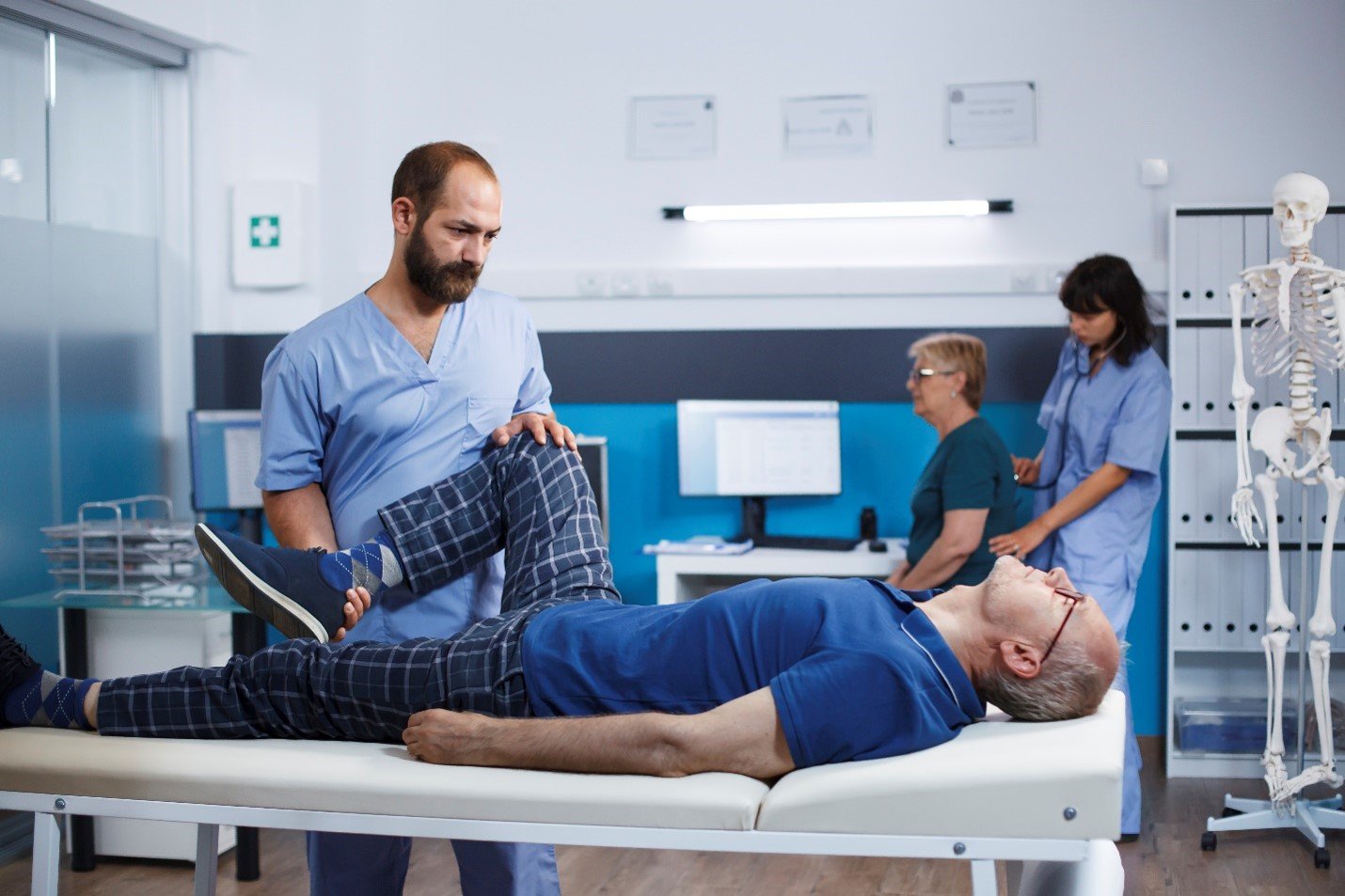
A fender bender at 20 km/h can still tear soft tissue in your neck that takes months to show up as real pain. That's the strange thing about car accidents. The damage does not always announce itself on day one. You walk away, shake it off, maybe feel a little stiff, and tell yourself it's nothing. Then three days later you cannot turn your head to check your blind spot. This is exactly wherecar accident physiotherapy Brampton residents often wait too long to book, and waiting is usually the mistake that costs the most in the long run.
This blog walks through why early treatment matters, what actually happens to your body in a collision, how physiotherapy fits into recovery, and what to expect if you're heading in for your first session after an accident.
What Actually Happens To Your Body In A Crash
Even a low-speed collision throws your body through a rapid whip-like motion. Your head snaps forward then back, your spine compresses and stretches in ways it was never built to move that fast, and your muscles brace hard without you even choosing to brace them.
This is where whiplash comes from. It's not just neck pain, though that's the headline symptom. It can involve:
- Micro-tears in muscles and ligaments around the neck and upper back
- Joint inflammation in the spine that limits how far you can turn or bend
- Nerve irritation that sends tingling or numbness down the arms
None of this shows up clearly on a standard X-ray. Soft tissue damage rarely does. That's part of why so many people get told nothing's broken and assume they're fine, when really the injury is sitting quietly in the muscles and connective tissue, waiting to stiffen up.
Why Waiting Makes Things Worse
Here's something a lot of people do not realize until it's too late. Soft tissue that is not moved properly after an injury tends to heal in a shortened, tightened position. The body lays down scar tissue in a hurry, and that scar tissue doesn't care about your range of motion, it just wants to close the wound.
If you don't get proper movement and treatment early, that scar tissue can lock in stiffness that lasts for years. This is one of the most common regrets clinics hear from patients who come in six or twelve months after an accident. They say things like I thought it would just go away on its own.
Sometimes it does. Often it does not. Early physiotherapy interrupts that pattern. A physiotherapist assesses which muscles are guarding, which joints have lost mobility, and builds a treatment plan that keeps tissue healing in a way that preserves function instead of locking it down.
How MVA Physiotherapy Actually Helps

MVA physiotherapy Brampton clinics offer is specifically designed around motor vehicle accident recovery, which is a bit different from general physiotherapy. It usually starts with a detailed assessment covering posture, range of motion, strength, and pain patterns, because accidents rarely injure just one area cleanly.
Guided exercise to rebuild strength without overloading healing tissue. This part matters more than people expect. Too much rest actually slows recovery because muscles weaken and joints stiffen further.
Postural retraining, since a lot of accident-related pain gets worse from compensating movements, like favoring one side of the neck without realizing it.
Education on pacing, so patients understand which movements to avoid short term and which ones actually help.
None of this is guesswork. Research on whiplash-associated disorders consistently shows that active rehabilitation, meaning movement-based treatment rather than prolonged rest or a soft collar, leads to better long-term outcomes. The old advice of just rest and wear a neck brace has mostly been replaced because studies found it slowed recovery instead of speeding it up.
A Quick Real-World Pattern Clinics See Often
A patient gets rear-ended at a stoplight. No visible injury, airbags didn't deploy, car has a small dent. They feel fine that evening, a little sore the next morning. By day three, turning to check mirrors while driving becomes genuinely painful. They wait another two weeks hoping it settles, then finally book physiotherapy.
At that point, the muscles have already started guarding and the joint stiffness has set in more firmly than it would have if treatment started in week one. Recovery still happens, but it usually takes longer and involves more sessions than it would have with earlier intervention.
This pattern repeats constantly. It's genuinely one of the most common stories in accident recovery, and it's avoidable.
What To Expect At Your First Physiotherapy Visit
Your first appointment isn't just a quick poke and prod. A proper assessment covers your accident details, current symptoms, medical history, and a physical exam checking mobility, strength, and pain triggers.
From there, your physiotherapist builds a plan tailored to your injury, not a generic template. Some people need three sessions. Others need three months. It depends on the severity of the collision, your body's healing response, and how early treatment started.
Most Brampton clinics offering physiotherapy also handle direct billing to insurance providers, which removes a lot of the paperwork stress that comes with MVA claims. That's worth asking about upfront, since accident-related treatment plans often qualify for coverage that regular physiotherapy visits might not.
The Bottom Line On Timing
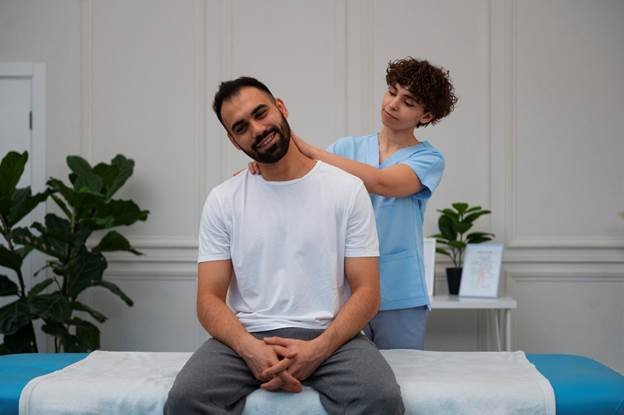
Here's the truth. Nobody can promise an exact recovery timeline after an accident, because bodies heal differently. But the research and the real-world pattern both point the same direction. Starting physiotherapy Brampton clinics is recommended within the first week or two after a collision tends to produce faster, more complete recovery than waiting until pain becomes unbearable.
If something feels off after an accident, even a small ache that seems minor, it's worth getting checked. Catching stiffness and inflammation early is far easier than untangling months of compensatory movement patterns later.
Conclusion
Car accidents cause soft tissue damage that doesn't always show up right away, and waiting to treat it often makes recovery longer and harder. Movement-based physiotherapy, not prolonged rest, is what current evidence supports for whiplash and related injuries. Early assessment matters more than people realize, and a proper treatment plan built around your specific injury gives you the best shot at full recovery.
Cure Physio & Wellness works with accident recovery patients regularly and can help you figure out the right starting point, whether that's a full assessment or just a conversation about what you're feeling.
FAQs
How soon after a car accident should I start physiotherapy?
Ideally within the first week or two, even if pain feels mild. Early treatment helps prevent stiffness and scar tissue from locking in, which is a common issue with delayed MVA physiotherapy Brampton patients often deal with.
Can physiotherapy help if my X-rays came back normal?
Yes. Whiplash and soft tissue injuries rarely appear on standard X-rays since they affect muscles, ligaments, and joints rather than bone. A physical assessment is usually needed to catch these injuries.
Does insurance cover car accident physiotherapy in Brampton?
Most Brampton clinics offer direct billing for motor vehicle accident claims, though coverage details depend on your specific policy. It's best to confirm with the clinic before your first visit.
What happens if I skip physiotherapy after a minor accident?
Minor accidents can still cause soft tissue damage that stiffens over time without proper movement and treatment. Some people recover fine on their own, but many end up with chronic stiffness or pain that could have been avoided with early care.