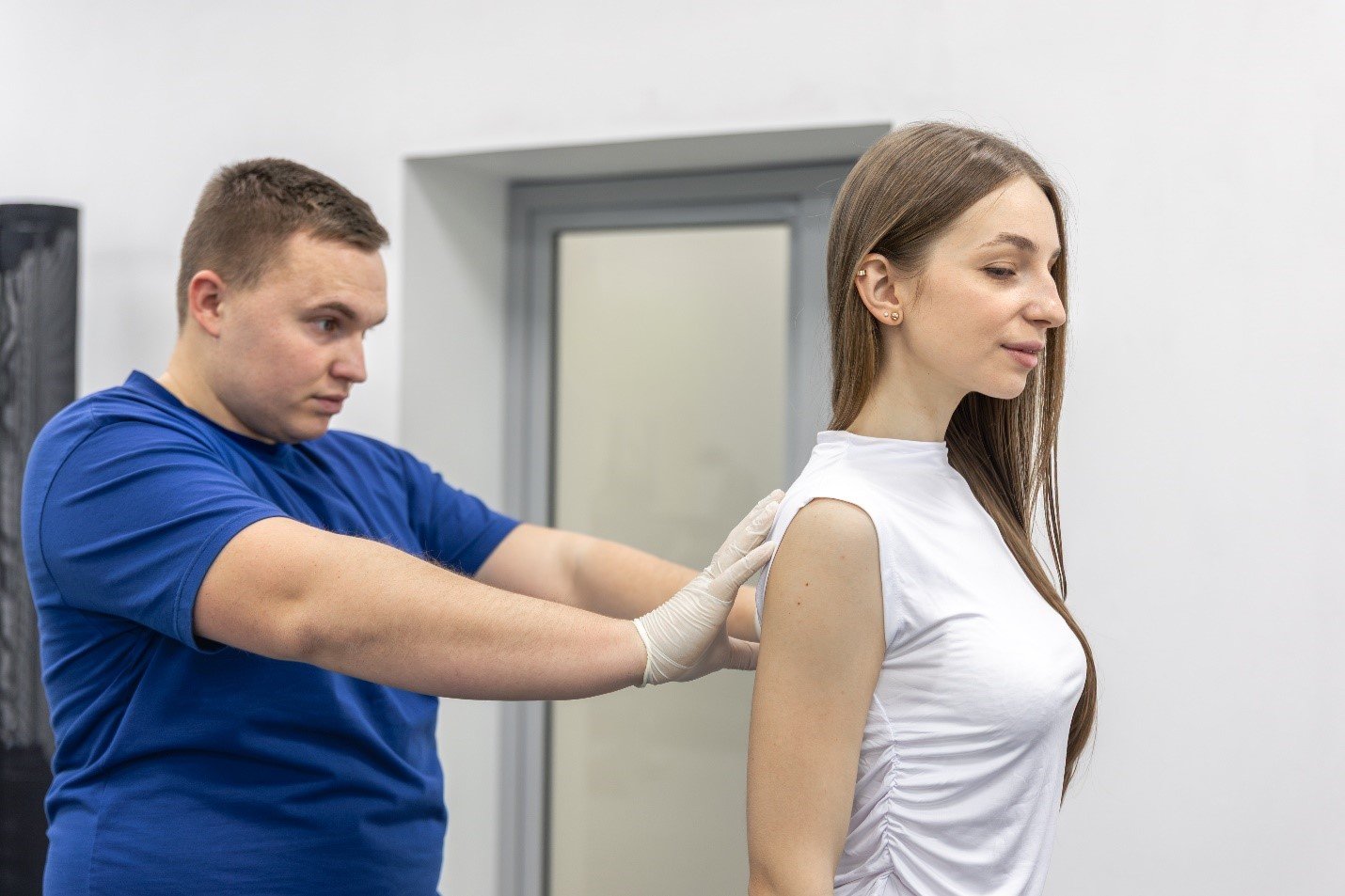
Shoulder pain has a funny way of sneaking up on people. One day you are reaching for a coffee mug on the top shelf, and the next thing you know, that same motion sends a sharp jolt through your arm that makes you wince every single time. If you have been dealing with this and searching for shoulder pain treatment Brampton, you are definitely not the only one. Shoulder issues are one of the most common reasons people walk into a physiotherapy clinic, right up there with back and neck complaints.
This blog will walk you through: the real reasons your shoulder might be acting up, why ignoring it usually backfires and what actual treatment looks like once you decide to deal with it properly. No fluff, no generic advice you could get from a random Google search. Just the stuff that actually matters.
Why Does Shoulder Pain Stick Around So Long?
The shoulder is a weird joint if you think about it. It's got way more range of motion than your hip or knee, but that mobility comes at a cost. It's less stable, which means it relies heavily on a group of muscles and tendons called the rotator cuff to keep everything in place. When something in that system gets irritated, inflamed, or torn, the pain doesn't always show up right away. Sometimes it builds slowly over weeks.
A lot of patients tell us the same thing when they first come in. They thought it would just go away on its own. And sometimes minor strains do settle with rest. But when pain lingers past two or three weeks, or it's limiting how you sleep, lift, or reach behind your back, that's usually your body telling you something structural needs attention.
Common Causes Behind the Pain
There isn't just one culprit here. A few show up again and again in clinical practice.
- Rotator cuff strain or tear – often from repetitive overhead movement, sports, or even sleeping on the same side every night
- Frozen shoulder (adhesive capsulitis) – gradual stiffness and pain that can take months to develop and months to resolve without proper treatment
- Impingement syndrome – when tendons get pinched between bones during arm movement, common in people who do a lot of overhead work or swimming
- Bursitis – inflammation of the small fluid sacs that cushion the joint
- Osteoarthritis – wear and tear that builds up over years, more common after 50
- Postural strain – desk jobs and hours hunched over a phone are quietly wrecking a lot of shoulders these days.
That last one surprises people. Nobody thinks scrolling on their phone for two hours a night could cause real pain, but rounded shoulders and a forward head posture put constant tension on the neck and shoulder muscles. It adds up.
When Should You Actually See Someone?

There's a difference between a sore shoulder after a tough workout and a shoulder that needs professional evaluation. If you're noticing any of the following, it's worth booking an appointment rather than waiting it out.
Pain that wakes you up at night. Weakness when lifting something as simple as a grocery bag. A clicking or grinding sensation with movement. Or pain that hasn't budged at all after a week of rest and ice. These are signs your body is asking for help, not something to tough out with painkillers indefinitely.
One patient we worked with had been popping ibuprofen for nearly three months before coming in for physiotherapy Brampton. By that point, what started as mild impingement had turned into a much stiffer, more guarded shoulder because he'd unconsciously stopped using his arm normally. Early intervention almost always means a shorter recovery road.
What Does Treatment Actually Involve?
This is where a lot of people get nervous, picturing painful stretching or some intense workout regimen right off the bat. Real treatment doesn't work that way. It starts with an assessment.
Assessment Comes First
A proper evaluation looks at your range of motion, strength, posture, and how the shoulder moves through different planes. This helps pinpoint whether it's a rotator cuff issue, joint stiffness, nerve involvement, or something else entirely. Guessing wastes time. Testing doesn't.
Hands-On and Active Care
Manual therapy techniques help loosen tight tissue and improve joint mobility. This is often paired with targeted strengthening exercises once the acute pain settles down a bit. The goal isn't just to make the pain go away for now. It's to rebuild the strength and stability so the same problem doesn't come right back in six months.
Some cases benefit from a combination approach. Massage therapy can ease the surrounding muscle tension that builds up from compensating for the injured area. Acupuncture is another option some patients find helpful for pain modulation, especially in chronic cases where inflammation has been present for a while.
Home Exercises Matter More Than People Think

Clinic visits alone won't fix a shoulder. What you do between appointments carries a lot of the weight. A good physiotherapy clinic Brampton will give you a handful of exercises tailored to your specific issue, not a generic printout. Consistency with these, even just ten minutes a day, tends to make the biggest difference in how fast someone recovers.
A Quick Word on Prevention
Once your shoulder feels better, the last thing you want is a repeat episode. A few habits genuinely help long-term.
Keep your shoulders active with light strength work, even just twice a week. Pay attention to posture during long stretches at a desk. And if something starts feeling off again, do not wait three months this time. Catching it early is honestly the single biggest lesson most patients walk away with.
Conclusion
Shoulder pain rarely fixes itself once it's been hanging around for weeks. Between rotator cuff issues, frozen shoulder, impingement, and plain old posture strain, there are several possible causes, and figuring out which one applies to you makes all the difference in how you treat it. Waiting things out usually just extends the timeline. Getting assessed early, doing the actual rehab work, and staying consistent with home exercises are what get people back to normal movement without repeat flare-ups.
If your shoulder has been bothering you longer than it should, Cure Physio & Wellness can help figure out what's going on and build a plan to get you moving comfortably again.
FAQs
How long does shoulder pain treatment usually take?
It depends on the cause. Mild strains might improve in two to three weeks with proper physiotherapy, while conditions like frozen shoulder can take a few months of consistent treatment.
Can physiotherapy help with a rotator cuff tear without surgery?
Many partial rotators cuff tears respond well to physiotherapy involving manual therapy and progressive strengthening, avoiding the need for surgical intervention in a lot of cases.
Do I need a doctor's referral for shoulder pain treatment in Brampton?
No referral is required to book an assessment at most physiotherapy clinics, including ours. You can call or book online directly.
What's the difference between a frozen shoulder and a rotator cuff injury?
Frozen shoulder involves gradual stiffness across the entire joint with limited motion in all directions, while a rotator cuff injury usually causes pain and weakness with specific movements, especially overhead reaching.